Tuesday, October 16, 2018
Felt Arch Pad for Plantar Fasciitis
Felt Arch Pads
+ Felt Arch Support (Arch Cookie)
+ Relieves Plantar Fasciitis and Heel Spur Pain
+ Superior Longitudinal Arch Support
+ Medical Grade 1/4" Skived (Beveled) Adhesive Backed Felt
+ Just Place in Shoe or on Foot
+ Felt Molds to Foot Structure
+ Great for Prefab Orthotic Dispensing
+ Provides Comfortable Control
+ Economical and Lightweight
+ Fits Most Shoes
+ No Need to Stock Multiple Sizes
+ Easy Modification
+ Made in the USA
Felt Arch Pad/Cookie
Medical Grade 1/4" Skived Felt
Made in the USA
Offload heel spur
Support Medial Arch
Treat: Plantar Fasciitis, Heel Spurs and Flat Feet
Teri Green
Atlas Biomechanics
Atlas Biomechanics : Indications of the Spring Steel Insoles- 1/2 Steel...
Atlas Biomechanics : Indications of the Spring Steel Insoles- 1/2 Steel...: Steel 1/2 Stabilizer Plate Rigid Insoles, Half Length Stabilizer / Insole Plates to Limit Fore-Foot, Metatarsal Joints & Turf Toe Indi...
Tuesday, October 2, 2018
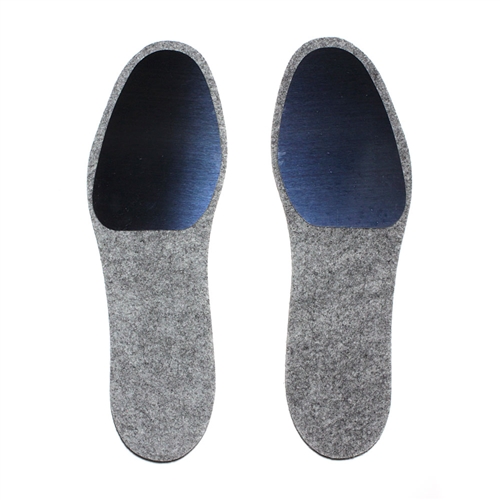
Indications of the Spring Steel Insoles- 1/2 Steel Stabilizer Plates
Steel 1/2 Stabilizer Plate Rigid Insoles, Half Length Stabilizer / Insole Plates to Limit Fore-Foot, Metatarsal Joints & Turf Toe
Indications of the Spring Steel Insoles- 1/2 Steel Stabilizer Plates
- Problems requiring a Rigid or Semi-Rigid footbed
- Turf Toe
- Hallux Limitus / Hallux Rigidus
- Forefoot Pain
- Metatarsalgia
- Cuboid Syndrome
- Freiburg's Infraction
- Bunionectomy
- Foot Stability Post-op
- Shin Splints
-Plantar Plate Tear
Used to stiffen the sole of the shoe.
Limits Range of Motion of the Forefoot and Midfoot.
Makes shoe Non-Flexible.
Extremely thin steel stabilizer plate insole, 1/8" thick.
Comfortable and durable felt top cover.
These steel insole plates are constructed to Limit Dorsiflexion at the metatarsal joints.
Immobilizes toe joint to prevent it from bending during walking and sports.
Teri Green
Atlas Biomechanics
Thursday, September 20, 2018
Atlas Biomechanics : Semmes Weinstein 5.07 10g monofilament examination...
Atlas Biomechanics : Semmes Weinstein 5.07 10g monofilament examination...: Patients with diabetic peripheral neuropathy is an important risk factor for the diabetic foot. Those with diabetic peripheral neuropathy is...
Semmes Weinstein 5.07 10g monofilament examination as a screening exam for diabetic peripheral neuropathy
Patients with diabetic peripheral neuropathy is an important risk factor for the diabetic foot. Those with diabetic peripheral neuropathy is a major cause of diabetic foot ulcers and amputations. Health professionals need a quick and inexpensive screening tool to identify those patients with diabetic peripheral neuropathy.
Semmes Weinstein 5.07 10g monofilament wire exam on diabetics is an effective screening tool to identify diabetic peripheral neuropathy. It is noninvasive, easy to perform, quick, and repeatable. The most common filament used for this test is the nylon monofilament wire. The gauge of the most common Semmes Weinstein nylon monofilament is 5.07. This number is determined by the logarithm of the applied force in milligrams. The monofilament bending or buckling force for the 5.07 wire is 10 grams. This is the force that make the Semmes Weinstein monofilament bends in half and the normal sensation the patient should feel it.
How to Perform a Semmes Weinstein Neuropathy Skin Test
1. Have the patient in a sitting position with shoes and socks off.
2. Explain to the patient that you’re screening/testing for neuropathy (loss of skin nerve feeling).
3. Touch the Semmes-Weinstein nylon monofilament wire to the patient’s arm to show what the touch feels like.
4. Tell the patient to respond “Yes” each time he or she feels the pressure of the 5.07 monofilament wire on the foot during the exam.
5. Tell the patient to shut their eyes during the exam.
6. Hold the monofilament wire perpendicular to the patient’s foot. Press it against the foot, increasing the pressure until the monofilament bends into a C shape. (The patient should sense the monofilament by the time it bends.)
7. Hold the monofilament in place for about 1 second. Press the monofilament to the skin so it buckles at one of two times as you say “Time one” or “Time two.” Have the patient identify at which time he or she was touched. Randomize the sequence of applying the filament throughout the examination.
8. Locations for testing: On both feet, use the first, third, and fifth metatarsal heads and plantar surface of the distal hallux and third toe. Avoid callused areas.
9. Record response on foot screening form with “+” for Yes and “–” for No.
Teri Green
Atlas Biomechanics
Friday, September 7, 2018
Atlas Biomechanics : Extra Thick 1/4" Foot Pad Cushions
Atlas Biomechanics : Extra Thick 1/4" Foot Pad Cushions: Atlas Biomechanics is proud to announce that we are now producing extra thick foot pad cushions. Our extra thick pads come in either medical...
Extra Thick 1/4" Foot Pad Cushions
Atlas Biomechanics is proud to announce that we are now producing extra thick foot pad cushions. Our extra thick foot pads come in either medical grade 1/4" felt or foam. They have the same shapes as our thinner 1/8" foot pads. One side of the felt or foam has skin adhesive on it to allow safe skin sticking.
They are ideal for more cushioning if needed.
Extra Thick 1/4" Foot Pads
+ Same High-Quality Stick On Foot Pads But 1/4" Thick
+ 1/4 inch Medical Grade Felt or Foam
+ Oval Callus Pads
+ U Shaped Callus Pads
+ Ball of Foot Metatarsal Pads
+ Dancer's Sesamoid Pads
+ Made in the USA
+ Adhesive Backing
Teri Green
Atlas Biomechanics
About Atlas Biomechanics: We are a woman owed sports medical manufacturer of Foot Pads, Heel Lifts and Heat Moldable Orthotics.
Subscribe to:
Posts (Atom)